
Post Office Consultation and Citizen Engagement
Task
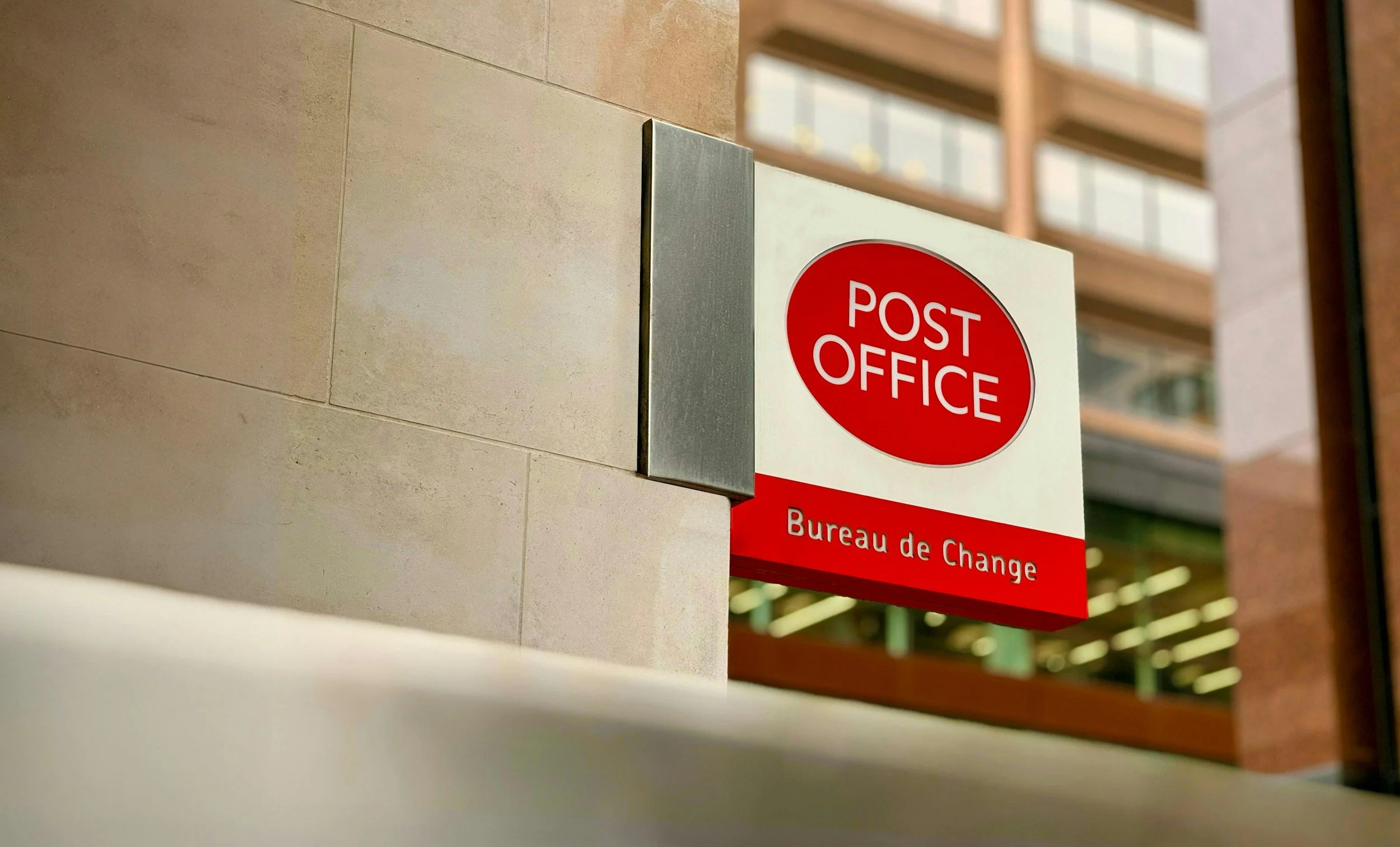
Between July and October 2025, the Department for Business and Trade conducted a public consultation on the Green Paper about the future of the Post Office. The consultation sought to uncover views on the future of Post Office, including the services it provides, how they modernise and strengthen the network, and how they change the culture and the way in which Post Office is managed. Responses to this consultation were to be used to better understand what customers, communities and postmasters would like to see from a modern Post Office, to help shape the company’s future.
TONIC were commissioned, alongside The Social Agency (https://www.thesocialagency.co.uk/), to conduct supplementary discussion groups with postmasters and members of the public and to analyse all of the consultation responses.
Our Approach
TONIC’s role included producing a summary of responses to the consultation. To achieve this, TONIC conducted a quantitative analysis for all responses to closed (multiple choice) questions and used thematic analysis to summarise all written responses to the open (free text) questions. There was a total of 2,537 consultation responses received, with the majority coming from members of the public (74%), followed by postmasters (14%), Post Office Ltd (5%), and businesses (3%).
Discussion groups were completed to understand public and postmaster views on the future of Post Office in greater depth, with a total of eight discussion groups held with 64 public participants, and two groups covering 16 postmasters. These were held face-to-face in each of the four UK nations including:
England: Norfolk and Birmingham
Northern Ireland: Dungannon and Belfast
Scotland: Falkirk and Glasgow
Wales: Pontypridd and Swansea
Participants were recruited through free-find to include a mix of demographics, as well as users and non-users of Post Office. Each session lasted 2.5 hours. The public were provided with background information on Post Office, including details on its commercial performance and social value, as well as trends affecting service use. The public groups focused on two key issues from the consultation Green Paper:
Ensuring Post Office is fit for the modern age (session 1) – government assessment of how Post Office’s role will change regarding postal services, banking services and government services.
Policy options for what a future Post Office network could look like (session 2) – options to either maintain or change rules concerning the minimum branch number and access criteria.
All analytical outputs from the consultation were synthesised to create a single, coherent evidence-base. This brought together three strands of data:
TONIC’s quantitative and qualitative analysis of consultation responses (including both open and closed questions).
TONIC’s review and coding of non-standard submissions such as reports and position statements.
The Social Agency’s qualitative analysis of focus groups conducted with members of the public and postmasters.
Outcome
A report was produced that mirrored the structure of the Green Paper on the Future of Post Office and covered: Government’s vision for Post Office, a Post Office fit for the modern age, how to operate Post Office’s branch network to best deliver the policy objectives, reforming the governance and long-term ownership arrangements for Post Office.
The report was structured around the key consultation questions, with the quantitative data supported by the qualitative themes that emerged for each section. The themes, identified through analysis, were illustrated through direct, anonymized quotations from the response data.
Read the published report here: https://assets.publishing.service.gov.uk/media/699ed6496457311dafbbcc82/government-response-to-the-future-of-the-post-office-consultation.pdf