
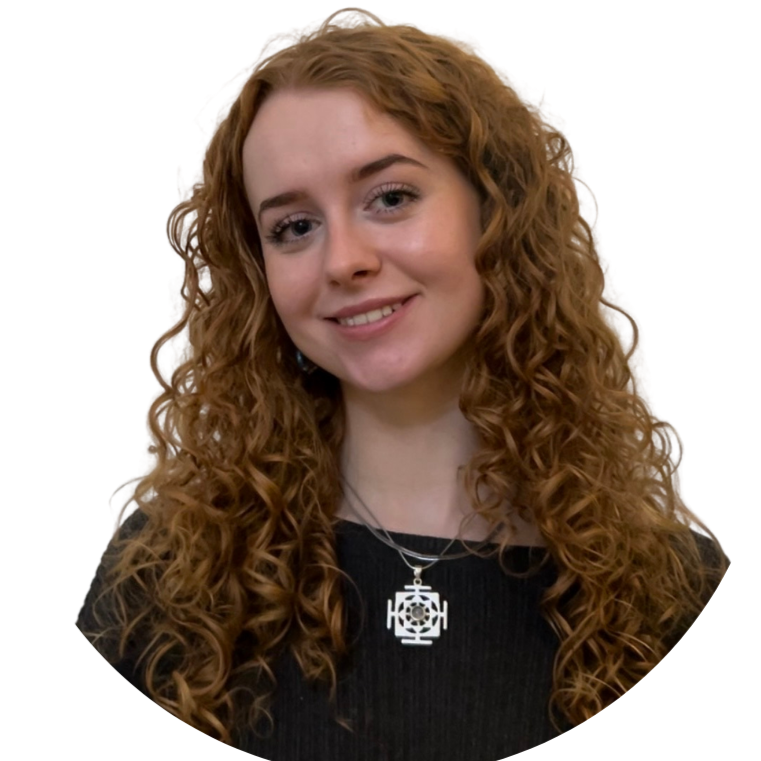
Phoebe Exelby, Researcher & Analyst at TONIC.
One Year In: Reflections on Learning and Growth in Social Research
Over the past year, I have had the opportunity to develop as a social researcher and analyst, moving from graduate to professional practitioner at TONIC. Starting my first professional role came with its own challenges - not only was I beginning a career in a field I genuinely cared about, but I also carried the doubts that come with having no prior professional experience. I wondered whether I would be able to contribute meaningfully, whether I truly belonged. What made those early weeks easier was being treated as a valued and respected member of the team from the outset. That early trust and inclusion made all the difference, and set the tone for a year shaped not only by the skills I have gained, but by the guidance and opportunities provided by the team.
From the outset, I was given exposure to a broad range of research activities, allowing me to build practical experience across different stages of the research process. This included working with qualitative and quantitative data, contributing to analysis and reporting, and developing a clearer understanding of how social research is applied in real-world contexts. Being able to draw on skills from my undergraduate studies - particularly in Excel and data analysis - and apply them to live projects helped bridge academic knowledge with professional practice in ways that felt both challenging and genuinely exciting.
A defining feature of the year has been the variety of work and settings involved. Alongside remote research, I've been able to take part in in-person work, including conducting interviews at a Young Offenders Institution. Experiences like this highlighted the importance of ethical, sensitive research in ways no training manual could, and were invaluable in building both confidence and adaptability. I've also attended conferences connected to NHS England's work on frameworks for integrated care, gaining insight into how research informs policy, system design and service delivery at a national level.
At first, I was apprehensive about working in a fully remote organisation. I wondered how connection and support would work without the natural conversations that happen in an office. What I found instead was a team that had built something intentional and warm. Casual Teams catch-ups and walk-and-talks became regular touchpoints that made the remote working feel far less isolating and much more human. But the team went further than that: time was set aside for us all to meet in person once a month, whether through team days, occasional 'work-aways' where we'd stay somewhere together and work side-by-side, or simply making space to be in the same room. There's been a real openness to supporting each other wholeheartedly, even when we're miles apart. That combination of flexibility and genuine care has made remote working feel less daunting and more sustainable.
The breadth of my role has extended beyond traditional research activities too. Drawing on my background as a yoga teacher and my work with Samaritans, I've taken on the role of Wellbeing Lead. In a remote organisation, this reflects a shared commitment to supporting sustainable ways of working. With the encouragement of the team, I've been able to contribute to conversations around wellbeing, balance and switching off - ensuring these considerations complement, rather than compete with, the delivery of high-quality research.
What has stood out throughout the year is the culture of learning and openness. Questions have been welcomed, mistakes treated as part of the process, and development viewed as ongoing rather than something you're expected to arrive with fully formed. That environment made it possible to grow in confidence, take on new challenges, and contribute in ways I hadn't imagined when I first started.
Reflecting on the past year, it's clear that this growth has been a collective effort. The opportunities and guidance provided by colleagues have laid a strong foundation, but more than that, they've created a culture where it's okay to not know everything, to ask for help, and to bring your whole self to the work. Looking ahead, I'm keen to build on this experience - contributing further to TONIC's research work while continuing to support the positive, reflective team culture that made this year what it was.
Written by Phoebe Exelby, Researcher & Analyst (January 2026)